The Future of Temperature Measurement in IoT Technology
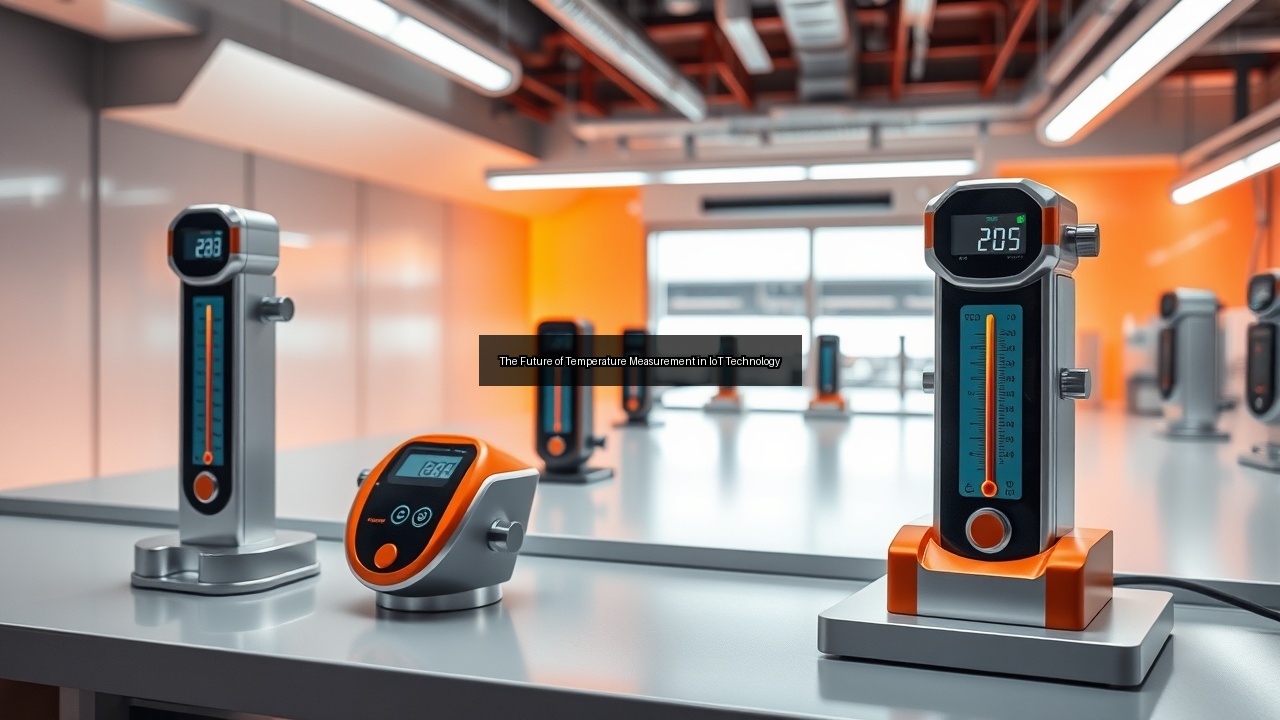
Advancements in Temperature Sensors for IoT Technology
Emerging Technologies in Temperature Measurement
Temperature sensors drive the core of IoT technology, enabling precise monitoring across connected devices. Engineers now harness emerging technologies like nanotechnology and MEMS (Micro-Electro-Mechanical Systems) to create compact, high-sensitivity temp sensors. These innovations allow temperature measurement in environments previously inaccessible, such as inside microchips or remote sensors in the Internet of Things networks. For instance, graphene-based sensors offer rapid response times and exceptional accuracy, outperforming traditional thermometers in dynamic settings. In IoT ecosystems, these sensors integrate seamlessly with wireless protocols, transmitting data on temperatures in real time without wired constraints. Developers prioritize low-power designs to extend battery life in remote IoT deployments, ensuring continuous operation for applications like environmental monitoring or predictive maintenance. Moreover, AI-enhanced algorithms process sensor data to predict anomalies, transforming raw temperature readings into actionable insights. As IoT expands, these advancements in measuring devices push boundaries, making temperature detection more reliable and versatile. Industry leaders invest heavily in R&D to miniaturize components while boosting durability against harsh conditions, from extreme heat to corrosive atmospheres. This evolution not only refines temperature probes but also supports broader sensor fusion with level sensors for comprehensive system oversight. Ultimately, emerging technologies redefine how IoT technology interacts with the physical world, fostering smarter, more responsive infrastructures.
The Role of RTDs and Thermocouples in IoT
RTDs, or resistance temperature detectors, stand out in IoT for their superior accuracy in mid-range temperature measurement, typically from -200°C to 850°C. These sensors rely on the principle that electrical resistance in metals like platinum changes predictably with temperature, providing stable outputs ideal for precision IoT applications. In smart factories, RTDs monitor machine temps to prevent overheating, integrating directly into IoT platforms for automated alerts. Thermocouples, on the other hand, excel in high-temperature scenarios above 1000°C, using the voltage generated at the junction of two dissimilar metals to gauge heat. Their robustness makes them indispensable in industrial IoT setups, like furnace monitoring or engine diagnostics, where durability trumps pinpoint precision. Both RTDs and thermocouples connect effortlessly to IoT gateways, enabling data acquisition over networks for centralized analysis. Engineers often pair them with microcontrollers in edge computing to process signals locally, reducing latency in temperature detection. Despite thermocouples' lower accuracy compared to RTDs, their affordability and wide range make them a go-to for scalable IoT deployments. Innovations like wireless RTD modules further enhance their role, allowing deployment in hard-to-reach areas without compromising data integrity. As IoT technology matures, these sensors evolve with better calibration techniques, ensuring reliable performance in diverse sectors from agriculture to healthcare, where consistent temperature sensors prove vital for operational safety and efficiency.
Comparative Analysis of Thermistors, PTCs, and NTCs
Thermistors dominate temperature sensor discussions due to their sensitivity and cost-effectiveness in IoT applications. These semiconductor devices change resistance dramatically with temperature shifts, offering quick responses for temp sensors in consumer electronics. PTC thermistors, with positive temperature coefficient, increase resistance as temperatures rise, acting as self-regulating heaters or overcurrent protectors in IoT circuits. They shine in scenarios requiring thermal runaway prevention, like battery management systems within smart devices. NTC thermistors, featuring negative temperature coefficient, decrease resistance with rising heat, providing high precision for low-temperature measurements down to -100°C. This makes them perfect for IoT-enabled refrigeration or medical thermometers tracking body temps. Comparing the three, PTCs prioritize safety in high-heat environments, while NTCs excel in accuracy for fine-grained monitoring, and general thermistors balance both for versatile use. In IoT technology, NTCs often integrate with ADCs for analog-to-digital conversion, feeding data into cloud platforms for analytics. PTCs, though less common for pure sensing, enhance system reliability by limiting fault currents. Thermistors generally outperform RTDs in compactness and speed but lag in long-term stability. Selecting between PTCs, NTCs, and thermistors hinges on application needs—NTCs for precise temperature probes in wearables, PTCs for industrial safeguards. As IoT grows, hybrid designs combining these elements boost overall sensor performance, ensuring robust temperature measurement across connected ecosystems.
Applications of Temperature Sensors in Various Industries
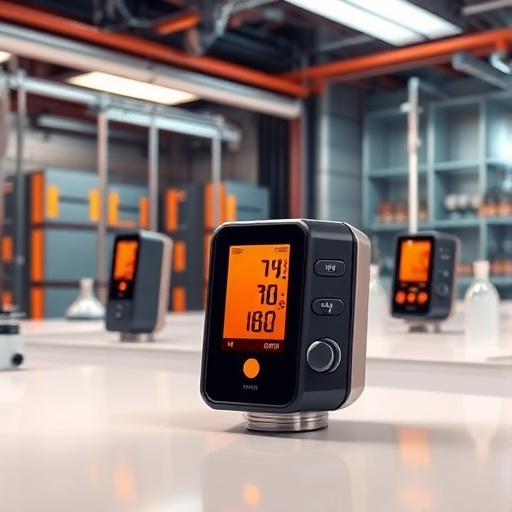
Building Automation and HVAC Systems
Building automation relies on temperature sensors to optimize energy use and comfort in modern structures. These sensors, embedded in HVAC systems, detect indoor temps and humidity, triggering adjustments to maintain ideal conditions. In smart buildings, IoT-connected temp sensors enable zone-specific control, reducing waste by up to 30% through predictive algorithms. For example, wireless temperature probes in ducts monitor airflow temperatures, ensuring efficient heating or cooling distribution. Integration with building management software allows real-time data acquisition, where anomalies like sudden spikes prompt immediate maintenance. Thermostats equipped with advanced sensors learn occupant patterns, automating HVAC operations for enhanced sustainability. In commercial spaces, these devices prevent overcooling in unoccupied areas, slashing operational costs. RTDs and NTC thermistors find frequent use here for their reliability in fluctuating environments. As IoT technology advances, edge AI processes sensor data onsite, minimizing cloud dependency and latency. This setup not only improves air quality but also extends equipment lifespan by averting thermal stress. Forward-thinking architects incorporate infrared sensors for non-contact measurements, ideal for large atriums. Overall, temperature sensors transform building automation into intelligent ecosystems, promoting eco-friendly practices while boosting occupant satisfaction through precise temperature detection and control.
Industrial Automation: Enhancing Efficiency with Temperature Sensors
Industrial automation thrives on temperature sensors that safeguard machinery and streamline production lines. These sensors monitor critical temps in motors, conveyors, and reactors, preventing downtime from overheating or failures. In IoT-enabled factories, temp sensors feed data into SCADA systems for real-time oversight, enabling proactive interventions. Thermocouples handle extreme heats in smelting processes, while RTDs ensure accuracy in chemical mixing where precise temperature measurement dictates quality. Efficiency gains come from sensor-driven predictive maintenance, which analyzes trends to schedule repairs before breakdowns occur. For instance, vibration and temp sensors combined detect bearing wear early, extending asset life. IoT platforms aggregate this data, using machine learning to optimize workflows and reduce energy consumption. In food processing, NTC thermistors verify cooking temperatures, ensuring compliance with safety standards. Wireless options eliminate cabling hassles in dynamic setups, supporting agile manufacturing. As industries adopt Industry 4.0, these sensors integrate with PLCs for seamless automation, enhancing throughput by 20-40%. Challenges like dust or vibration demand rugged designs, but innovations in encapsulation address them effectively. Temperature sensors thus serve as the backbone of industrial automation, driving reliability, cost savings, and innovation in competitive markets.
Low Temperature Measurement in Construction and Bottling Industries
Low temperature measurement proves essential in construction for monitoring concrete curing, where sensors track hydration processes to ensure structural integrity. In cold climates, IoT temp sensors embedded in forms detect freezing risks, alerting teams to deploy heaters and avoid cracks. These devices, often NTC-based for their sensitivity below 0°C, provide continuous data acquisition via wireless networks, enabling remote site management. In the bottling industry, temperature sensors maintain beverage quality during filling and storage, preventing spoilage in chilled lines. For carbonated drinks, precise low-temp control preserves fizz, with infrared sensors scanning bottle surfaces non-invasively. IoT integration allows real-time adjustments to cooling systems, minimizing defects and waste. Construction firms use rugged probes resistant to moisture and impacts, while bottling plants favor hygienic, food-grade thermistors. In both sectors, level sensors pair with temp sensors to oversee fill levels alongside temperatures, optimizing processes. Challenges include signal interference in metallic environments, but shielded designs mitigate this. As sustainability pushes, these measurements reduce energy use in climate-controlled facilities. In Asia's booming construction hubs, Chinese manufacturers lead with affordable, high-performance sensors tailored for low-temperature demands. Ultimately, such applications highlight how temperature sensors enhance precision and efficiency in demanding industrial contexts.
The Integration of Temperature Sensors in IoT Ecosystems
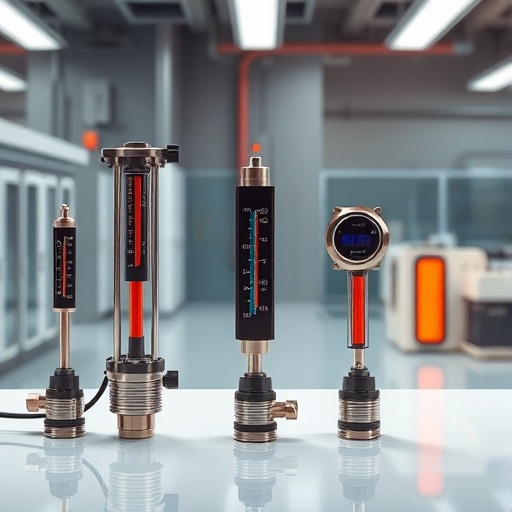
Data Acquisition and Real-Time Monitoring
Data acquisition forms the foundation of IoT ecosystems, where temperature sensors capture vital environmental metrics for immediate analysis. These sensors convert analog signals into digital data, streaming it to central hubs via protocols like MQTT or Zigbee. In real-time monitoring, temp sensors in agricultural IoT setups track soil temperatures, guiding irrigation decisions to boost yields. Precision RTDs ensure accurate readings, while microcontrollers handle sampling rates up to thousands per second for dynamic scenarios. Cloud integration enables scalable storage and visualization, turning raw data into dashboards for operators. Edge computing processes data locally, reducing bandwidth needs and enabling instant responses, like shutting down overheated equipment. Thermocouples suit high-speed acquisition in automotive testing, where delays could compromise safety. Security features encrypt transmissions, protecting sensitive temperature detection data from breaches. As IoT expands, multi-sensor arrays combine temp with humidity or pressure for holistic insights. Innovations in low-power DAQ modules extend deployment in remote areas, like wildlife trackers monitoring ambient temps. This integration empowers industries to harness predictive analytics, forecasting equipment failures based on temperature trends. Temperature sensors thus elevate IoT from passive logging to active intelligence, driving operational excellence across sectors.
Temperature Detection in Smart Thermostats
Smart thermostats revolutionize home energy management through embedded temperature sensors that learn and adapt to user habits. These devices use NTC thermistors for precise indoor temperature detection, adjusting heating or cooling via IoT connectivity to apps or voice assistants. In a typical setup, the thermostat gauges room temps every few minutes, optimizing cycles to maintain comfort while cutting bills by 10-15%. Integration with whole-home systems allows zoning, where sensors in multiple rooms report data for balanced climate control. Infrared sensors add non-contact detection for occupancy-based adjustments, turning off HVAC in empty spaces. IoT platforms like Nest or Ecobee aggregate this data, providing insights into usage patterns and efficiency tips. Advanced models incorporate AI to predict needs, pre-heating based on weather forecasts pulled from connected sensors outdoors. Durability against dust and vibrations ensures longevity in varied homes. For commercial use, scalable thermostat networks monitor office temps, enhancing productivity. As IoT technology evolves, these sensors support interoperability with smart grids, aligning home usage with peak demand. Temperature detection in smart thermostats not only simplifies daily life but also promotes sustainability, making energy conservation intuitive and effective.
The Impact of Infrared Sensors on Temperature Measurement
Infrared sensors transform temperature measurement by enabling non-contact detection, ideal for IoT applications where physical probes prove impractical. These sensors capture thermal radiation to infer surface temperatures, offering speeds up to milliseconds for dynamic monitoring. In medical IoT, IR temp sensors screen fevers without touch, integrating with wearables for continuous health tracking. Industrial uses include conveyor belt inspections, where they spot hot spots in products like bottled goods, preventing defects. Accuracy rivals contact methods within 1-2°C, with IoT connectivity streaming data to dashboards for quality assurance. Unlike thermocouples, IR sensors handle wide fields of view, scanning multiple points simultaneously. Challenges like emissivity variations require calibration, but AI algorithms now auto-adjust for materials. In building automation, they monitor wall temps for insulation efficacy, aiding energy audits. Automotive IoT employs them for engine heat mapping, enhancing design iterations. As miniaturization advances, IR sensors embed in drones for aerial temperature surveys in agriculture or disaster response. Their low maintenance and hygiene benefits suit food bottling lines, ensuring safe low-temperature handling. Overall, infrared sensors expand IoT's reach, delivering versatile, efficient temperature measurement that contact alternatives can't match.
Challenges and Future Trends in Temperature Measurement
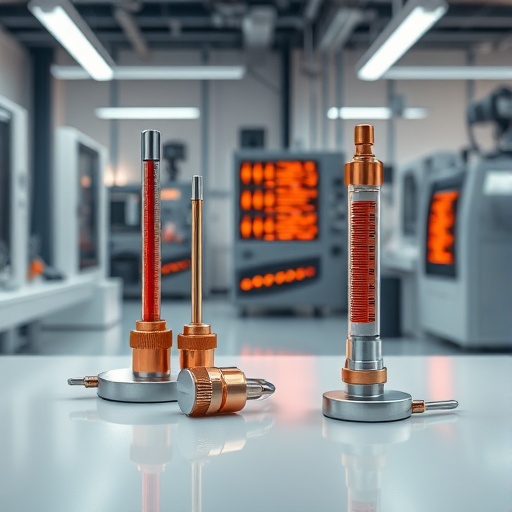
Addressing Sensor Accuracy and Reliability
Sensor accuracy and reliability pose key challenges in temperature measurement, especially in harsh IoT environments. Drift over time erodes precision in thermistors, while environmental factors like humidity affect thermocouples. Engineers combat this through advanced calibration and self-diagnostic features, where sensors periodically verify outputs against references. In IoT systems, redundant temp sensors provide failover, ensuring uninterrupted data acquisition. Material innovations, like stabilized platinum in RTDs, enhance long-term stability up to 0.01°C accuracy. Reliability testing under extremes—vibration, EMI, corrosion—certifies devices for industrial automation. Firmware updates via OTA in connected ecosystems maintain performance without hardware swaps. For low-temperature apps, cryogenic-compatible sensors address contraction issues. Data fusion with accelerometers filters noise, boosting effective resolution. Standardization efforts, like those from IEEE, unify protocols for interoperable accuracy. In Asia, Chinese firms pioneer cost-effective solutions balancing quality and affordability. Future trends include quantum sensors for ultra-precision, though current focuses on robust enclosures and AI error correction. Addressing these ensures temperature sensors deliver trustworthy insights, vital for safety-critical IoT deployments like HVAC or medical monitoring.
The Future of Temperature Sensors in Asian Markets
Asian markets, particularly in China, propel the future of temperature sensors with rapid IoT adoption and manufacturing prowess. Demand surges in smart cities, where sensors optimize urban HVAC and traffic systems. Chinese innovators produce affordable NTC and IR sensors, capturing 40% global share through scale and R&D investment. In India and Southeast Asia, agriculture IoT uses low-cost temp sensors for crop monitoring, enhancing food security. Trends point to 5G integration for faster data transmission, enabling dense sensor networks in factories. Government initiatives like Made in China 2025 boost domestic tech, focusing on high-reliability RTDs for EVs. Bottling and construction sectors in Asia leverage these for precise low-temperature control, reducing waste. Challenges include supply chain volatility, but localization strategies mitigate risks. By 2030, projections show Asia leading in hybrid sensors combining temp with level detection for comprehensive IoT solutions. Sustainability drives eco-friendly materials, aligning with regional green policies. Collaborations with Western firms accelerate innovations, like wireless probes for remote Asian terrains. Temperature sensors will underpin Asia's digital economy, fostering efficiency in burgeoning industries.
Innovations in Measurement Density and Performance
Innovations in measurement density pack more temperature sensors into smaller spaces, revolutionizing IoT performance. Silicon photonics enables arrays of thousands of micro-sensors on chips, achieving sub-millimeter resolution for dense monitoring in wearables or PCBs. This density supports high-throughput data acquisition, processing terabytes from distributed IoT nodes. Performance leaps come from wide-bandgap materials like SiC, extending ranges to 2000°C with minimal drift. In industrial settings, dense arrays map temperature gradients in real time, optimizing processes like 3D printing. Quantum dot sensors promise femtosecond responses, ideal for ultrafast events in labs or engines. IoT ecosystems benefit from modular designs, scaling density without redesigns. Power efficiency innovations, like energy-harvesting from heat, sustain dense deployments in off-grid areas. AI optimizes performance by dynamically adjusting sampling based on variability. In construction, dense sensors embed in materials for structural health, detecting stress via thermal signatures. Bottling lines use them for batch-level precision, ensuring uniform cooling. Asia leads with compact, high-density solutions from Chinese fabs. These advancements elevate temperature measurement, enabling smarter, more granular IoT applications across domains.