How to Choose the Right Gear Lubricant for Your Vehicle
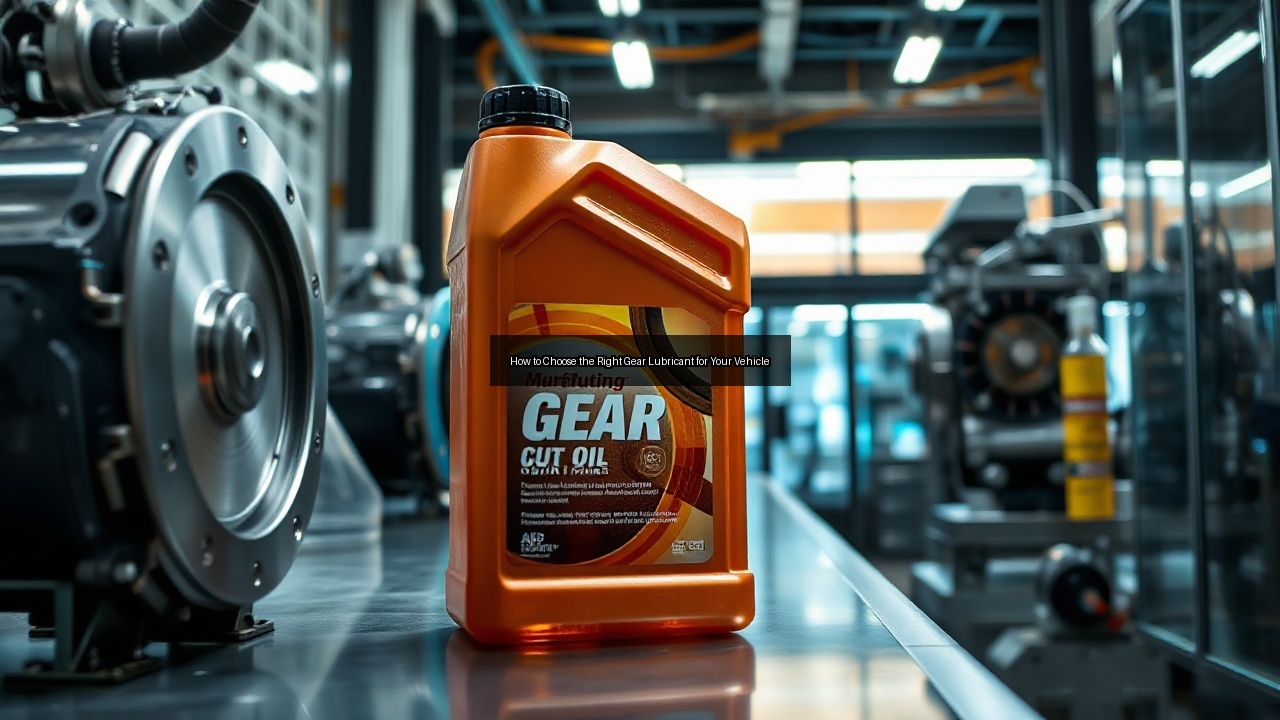
Understanding Gear Lubricants and Their Importance
What Are Gear Lubricants?
Gear lubricants protect the moving parts inside transmissions and differentials by forming a durable film that reduces friction between gear teeth. These formulations contain base oils blended with additives that handle extreme pressure conditions common in automotive applications. Gear oil differs from engine oils because it must resist shearing forces and maintain viscosity under heavy loads. Manufacturers design gear lubricants specifically for the high-torque environments found in manual transmissions and transaxles.
Every gear lubricant includes compounds that prevent metal-to-metal contact, which directly cuts down on wear. The right product keeps contaminants suspended so they do not settle on critical surfaces. Automotive professionals select gear oil based on operating demands rather than generic recommendations. Proper lubrication extends component life and maintains smooth power delivery through the drivetrain.
Base stocks in gear lubricants range from conventional mineral oils derived from crude refining to advanced synthetics such as polyalphaolefins (PAO) and esters. Additives typically include sulfur-phosphorus extreme-pressure agents, anti-wear compounds, rust and corrosion inhibitors, and foam suppressants. These components work together to create a sacrificial boundary layer when tooth contact pressures exceed 100,000 psi, a level routinely reached in hypoid gear sets. In addition, modern formulations incorporate friction modifiers that reduce energy losses without compromising the high film strength required for gear protection.
The Role of Lubricants in Vehicle Performance
Lubricants in gear systems maintain consistent performance by controlling heat buildup during operation. They cushion gear teeth against shock loads that occur when accelerating or towing. Without adequate lubrication, metal surfaces erode quickly and create noise or vibration. Gear lube also seals out moisture and debris that accelerate corrosion in differentials and transaxles.
Effective gear lubricants improve fuel efficiency because reduced friction allows the engine to transfer power more directly. Drivers notice smoother shifts and quieter operation when they use the correct product. Regular use of quality gear oil prevents costly repairs by minimizing pitting and scoring on gear surfaces. Performance stays reliable across varying speeds and loads.
Beyond basic protection, gear lubricants influence overall drivetrain efficiency and vehicle dynamics. By minimizing internal drag, they contribute to lower operating temperatures, which in turn preserves seal integrity and bearing life. In performance or heavy-duty applications, such as off-road vehicles or commercial fleets, properly formulated gear oil can extend service intervals by hundreds of hours while maintaining consistent torque transfer characteristics.
Differentiating Between Gear Oil and Other Oils
Gear oil carries higher viscosity ratings than motor oil because it must cling to vertical gear surfaces under constant pressure. Engine oils contain detergents that clean combustion byproducts, while gear lubricants focus on extreme-pressure additives such as sulfur-phosphorus compounds. These additives form protective layers only when gears mesh under load.
Automatic transmission fluid flows more freely and includes friction modifiers unsuitable for manual transmissions. Gear lube resists oxidation better at sustained high temperatures found in differentials. Using the wrong lubricant leads to leakage, overheating, or rapid wear. Always match the product to the application specified by the vehicle manufacturer.
The distinct chemistry of gear lubricants also includes higher concentrations of anti-scuff agents and demulsifiers that separate water rapidly, preventing emulsification that could lead to rust. In contrast, motor oils prioritize dispersants for handling soot and combustion acids, making cross-application risky for gear systems that operate under boundary lubrication regimes for extended periods.
Types of Gear Lubricants Available
Synthetic vs. Conventional Gear Oils
Synthetic gear oil flows better at low temperatures and maintains stability when heat rises, making it ideal for severe service. Conventional gear oils cost less upfront but break down faster under repeated thermal cycles. Synthetic formulations reduce internal drag, which helps components run cooler during extended highway driving.
Many drivers switch to synthetic gear lubricant after noticing improved shift quality in cold weather. Synthetic products also resist shear better, preserving film strength across wide temperature ranges. Conventional oils still perform adequately in light-duty applications with moderate loads. Choose based on driving conditions and manufacturer guidance.
Full-synthetic gear oils excel in extreme environments such as arctic conditions or continuous high-speed towing, where thermal stability prevents viscosity breakdown. They also exhibit superior shear stability, retaining protective film thickness even after thousands of miles of operation. Conventional mineral-based oils remain suitable for older vehicles with simpler gear designs and moderate duty cycles, offering acceptable performance at a lower initial cost.
Understanding SAE Ratings for Gear Oils
SAE ratings classify gear oil viscosity at both low and high temperatures. A number like 75W-90 indicates winter performance and operating thickness. Lower winter ratings ensure flow during cold starts, while higher numbers protect against thinning when gears generate heat. SAE standards help match lubricant to climate and load.
Multi-grade gear lubes combine polymers that expand with temperature to maintain protection. Single-grade oils suit equipment that operates within narrow temperature bands. Always verify the SAE specification printed on the container matches the vehicle requirements. Incorrect viscosity causes poor lubrication or excessive drag.
Common ratings include 75W-85, 80W-90, and 85W-140, each tailored to specific ambient and operating conditions. The winter designation (W) reflects cold-crank performance measured at temperatures as low as -40 °C, while the second number indicates kinematic viscosity at 100 °C. Multi-grade formulations use viscosity index improvers that allow a single product to perform across seasonal extremes without compromising film strength.
Gear Lubricants for Different Applications: Manual Transmissions, Transaxles, and Differentials
Manual transmissions require gear lubricant with strong shear stability to handle constant gear meshing. Transaxles combine transmission and differential functions, so they often need products meeting both gear and limited-slip requirements. Differentials experience high sliding forces between ring and pinion gears, demanding robust extreme-pressure additives.
Some vehicles specify API GL-5 rated gear oil for hypoid gears in differentials, while others accept GL-4 for brass synchronizers in transmissions. Using the wrong grade damages soft metals or fails to protect against scoring. Check the service manual for exact lubricant specifications before purchase. Proper selection prevents leaks and maintains quiet operation.
Limited-slip differentials often require additional friction modifiers to prevent chatter during turns, while synchronized transmissions benefit from lubricants with balanced frictional properties that promote smooth engagement. Off-highway and agricultural equipment may call for GL-5 or even higher-performance fluids meeting military specifications such as MIL-PRF-2105E for enhanced load-carrying capacity.
Factors to Consider When Choosing Gear Oil
Temperature and Pressure Requirements
Operating temperatures dictate the base oil and additive package in any gear lubricant. High-heat environments accelerate oxidation, so select products rated for sustained thermal loads. Extreme pressure conditions in differentials require sulfur-based additives that activate only under heavy contact stress.
Cold climates demand gear oil with low pour points to reach all surfaces quickly at startup. Pressure spikes during hard acceleration test film strength, making viscosity retention critical. Monitor ambient conditions and load patterns when selecting gear lube. Matching these factors prevents premature breakdown and component damage.
Thermal conductivity of the lubricant also plays a role in heat dissipation; synthetics generally transfer heat more effectively than mineral oils. In high-performance applications, monitoring sump temperatures helps determine whether a higher-viscosity grade or specialized additive package is warranted to maintain hydrodynamic lubrication under peak loads.
Compatibility with Vehicle Manufacturing Specifications
Vehicle manufacturers publish exact lubricant standards that account for material composition and design tolerances. Using non-approved gear oil voids warranties and risks seal swelling or corrosion. API ratings and OEM approvals confirm the product meets performance benchmarks for specific transmissions and axles.
Always cross-reference the container label with the service manual before filling. Some modern vehicles require synthetic gear lubricants to protect advanced synchronizers and bearings. Incompatible formulations cause shifting difficulties or accelerated wear. Following manufacturing specifications ensures long-term reliability.
Common OEM approvals include Ford WSS-M2C942-A, GM 9986115, and Mercedes-Benz 235.8, each specifying precise additive chemistry and viscosity profiles. These standards address compatibility with elastomers, yellow metals, and advanced coatings found in contemporary drivetrain components.
Impact of Thermal Degradation on Gear Lubrication
Thermal degradation breaks down base oils and additives, thinning gear lubricant and reducing its protective film. Oxidized oil forms varnish that restricts flow and traps heat, creating a cycle of accelerated wear. Differentials and transaxles suffer most when lubricant loses viscosity under repeated heat cycles.
Regular fluid changes remove degraded gear oil before deposits form on gear teeth. Synthetic formulations resist oxidation longer than conventional products, extending service intervals. Monitor for darkening or burnt odor as early signs of breakdown. Timely replacement maintains effective lubrication and prevents costly failures.
Oxidation stability testing, such as the ASTM D2893 method, quantifies a lubricant’s resistance to thermal breakdown. Routine oil analysis can detect rising acid numbers and metal content, providing objective data for optimizing change intervals and avoiding unplanned downtime.
How to Properly Apply Gear Lubricants
Best Practices for Gear Lube Application
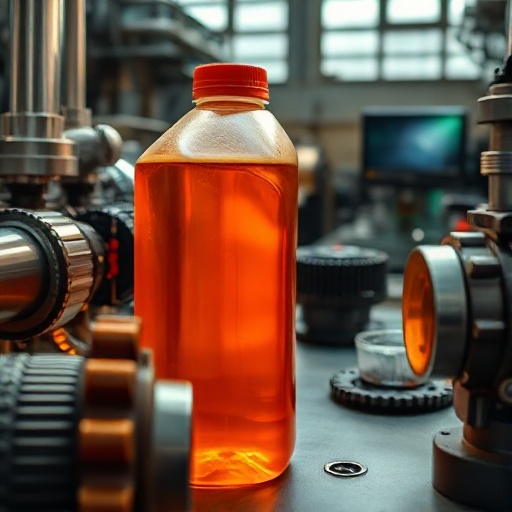
Drain old gear lubricant completely while the unit remains warm to remove suspended particles. Refill to the specified level using a pump or squeeze bottle to avoid air pockets. Apply new gear oil slowly so it reaches all bearings and gear surfaces without overflow.
Replace fill and drain plugs with new crush washers to prevent leaks. Record mileage and date for future service tracking. Use the correct viscosity and specification to maintain protection across operating conditions. Proper application ensures even distribution and maximum component life.
Before refilling, inspect magnetic drain plugs for excessive metal debris that may indicate emerging wear. Use a calibrated pump to achieve the exact fill level specified by the manufacturer, typically measured from the bottom of the fill hole, and always perform the procedure on a level surface to ensure accuracy.
Common Mistakes to Avoid
Overfilling gear cases forces lubricant past seals and creates pressure buildup. Mixing different gear oil types dilutes additive packages and reduces effectiveness. Ignoring recommended change intervals allows contaminants to accumulate and damage gears. Skipping the break-in period with fresh lubricant shortens service life.
Never substitute engine oil or automatic transmission fluid in manual transmissions or differentials. These products lack the required extreme-pressure additives. Always verify fill level with the vehicle on level ground. Avoiding these errors prevents leaks, noise, and premature wear.
Improper disposal of used gear oil also poses environmental risks; always recycle through approved collection centers. Additionally, failing to replace worn seals or gaskets during service can lead to rapid contamination of the fresh lubricant.
Signs of Insufficient Gear Lubrication
Whining or grinding noises from the differential signal low gear lubricant levels or degraded viscosity. Hard shifting in manual transmissions often results from inadequate lubrication reaching synchronizers. Excessive heat radiating from the transaxle housing indicates friction from poor film strength.
Metal particles in drained gear oil point to ongoing wear caused by insufficient protection. Leaks around seals reduce volume and expose components to air and moisture. Address these symptoms immediately by inspecting levels and replacing degraded gear lube. Early intervention avoids major repairs.
Advanced diagnostics may include vibration analysis or infrared thermography to detect hot spots before audible symptoms appear. Prompt attention to these indicators, combined with regular fluid inspections, significantly reduces the likelihood of catastrophic drivetrain failure.